 Devpur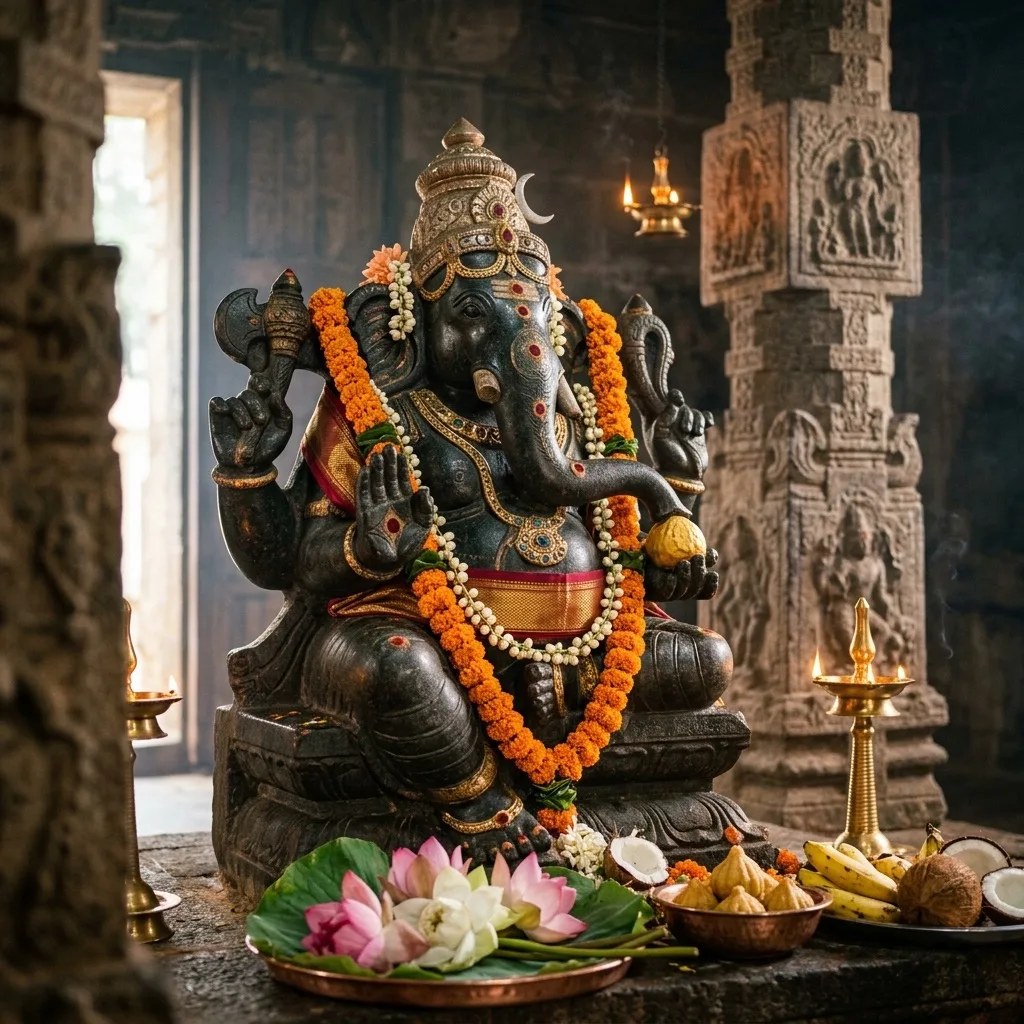
Why Ganesh is first in devotion
Lord Ganesh is called first not because he is only a ritual opener, but because he teaches the right way to begin. He represents intelligence, humility, and steady action. When devotees pray to Ganesh before study, travel, business, or worship, they are asking for a mind that can notice obstacles without becoming afraid of them.
This page is designed as a practical hub for that purpose. If someone arrives here wanting to know who Ganesh is, what his symbols mean, and which devotional pages to read next, the answer should be clear on the first visit.
Ganesh symbolism in daily life
Ganesh’s form is memorable because each feature carries a lesson.
- The elephant head points to memory, patience, and wise listening.
- The large ears suggest that a devotee should listen more carefully than they speak.
- The single tusk suggests the power of one-pointed action.
- The mouse vehicle shows that even small desire can be guided by disciplined wisdom.
- The modak offering reflects the sweetness that comes after effort and devotion.
These symbols matter because people do not come to a hub page only for mythology. They come because they want meaning they can use in daily life. Ganesh devotion becomes real when the symbolism shapes conduct, not just belief.
Simple Ganesh worship
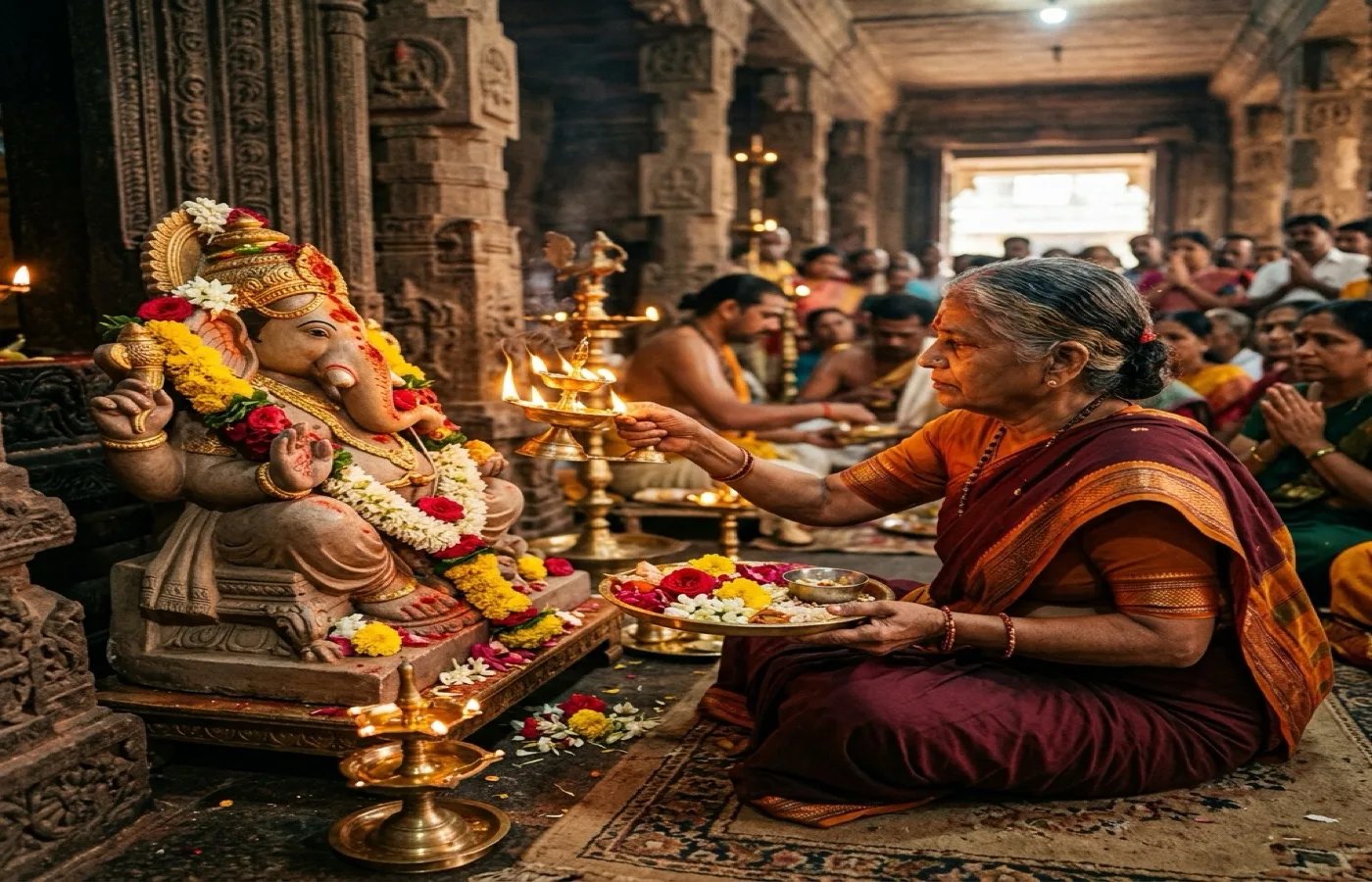
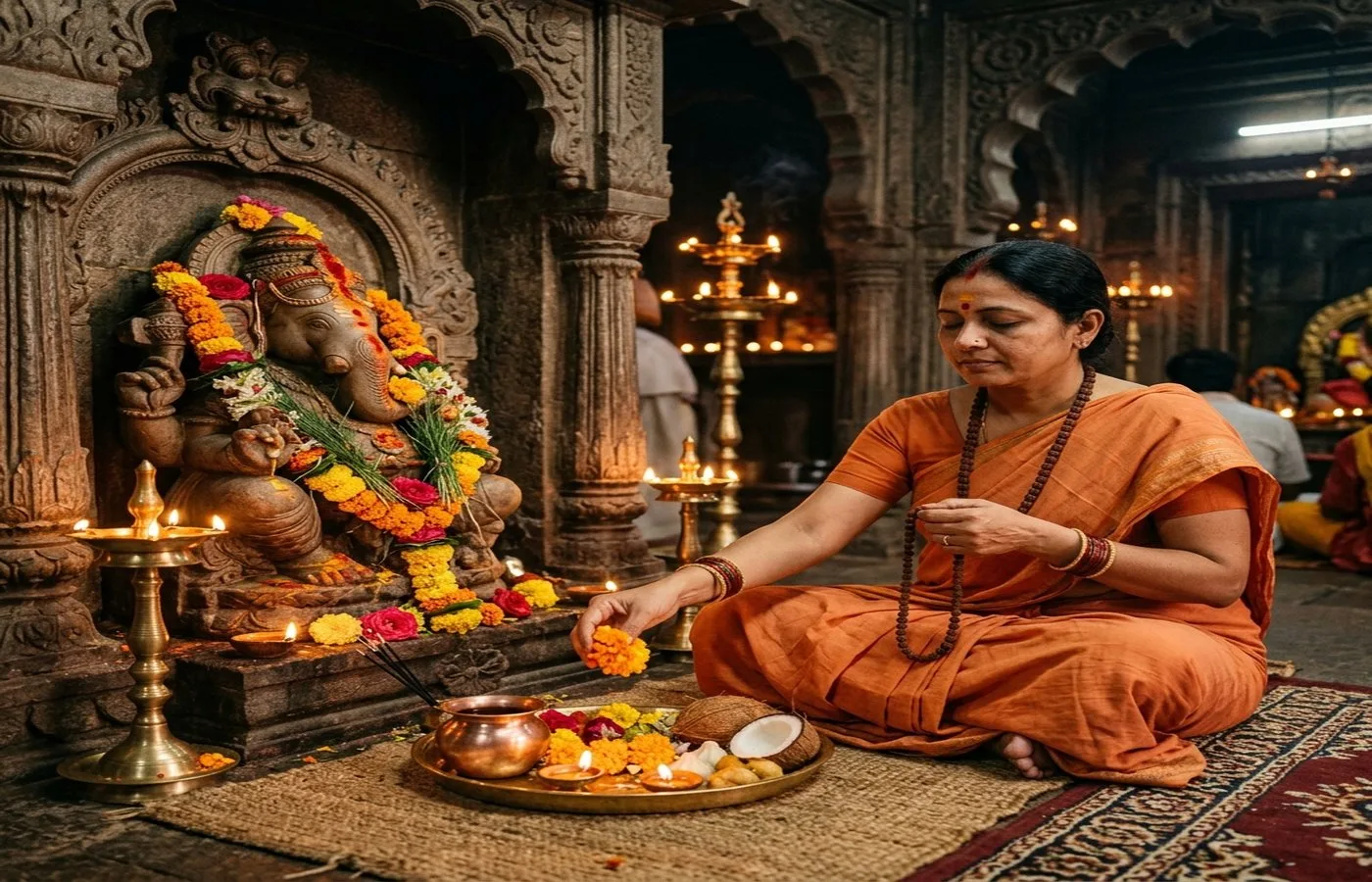
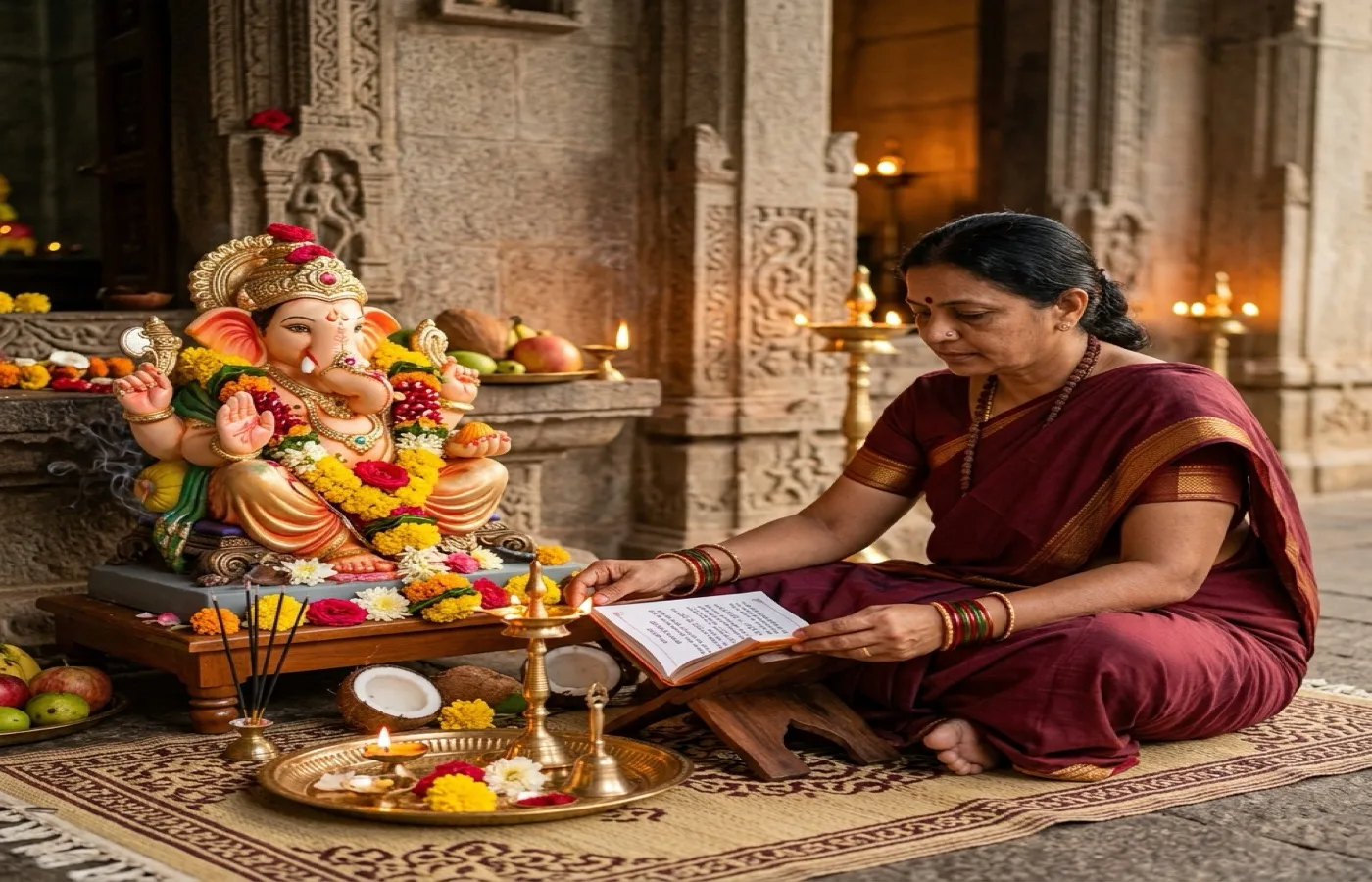
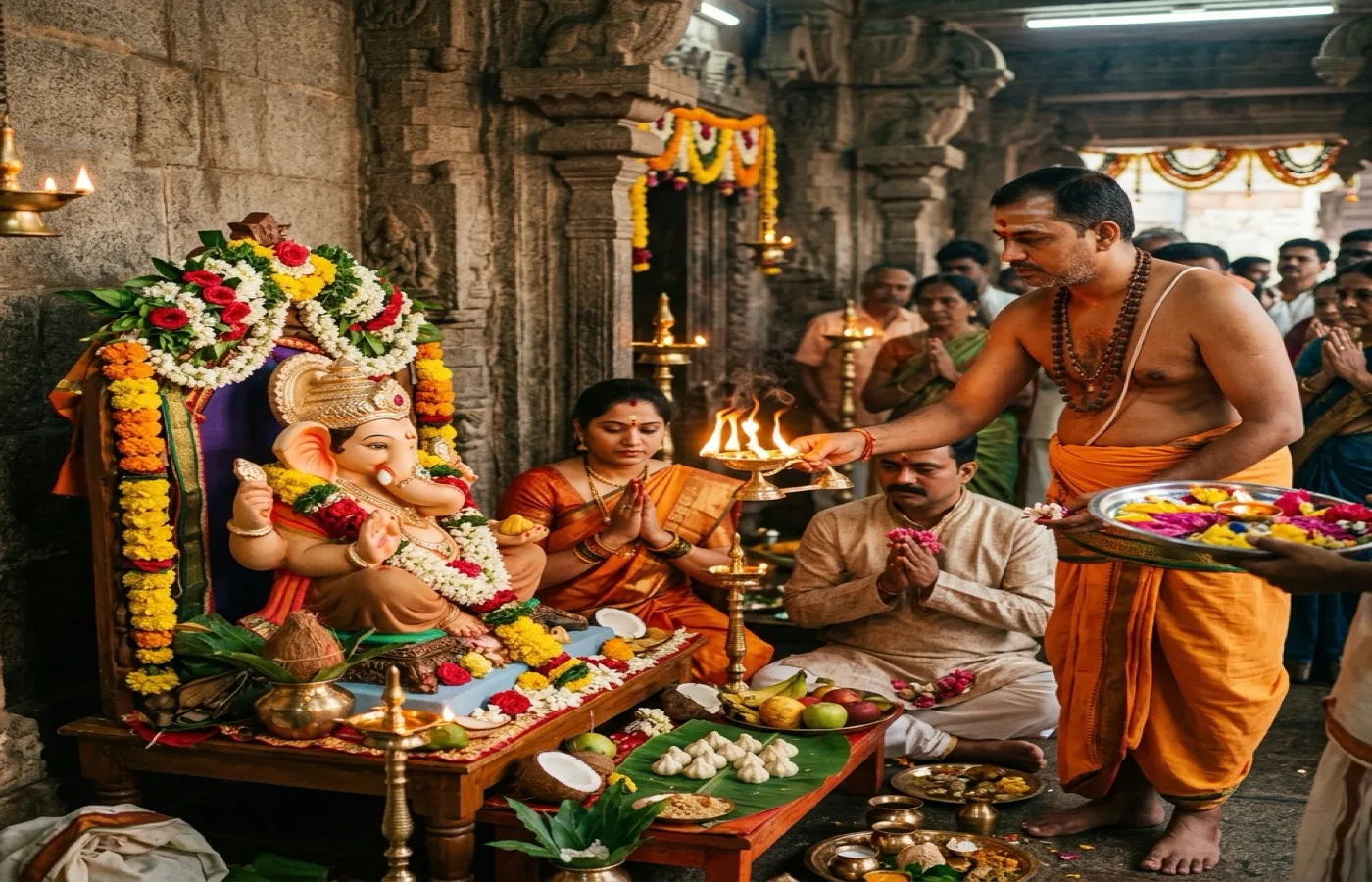
A simple Ganesh routine can be short enough for busy mornings and still feel complete. Clean the worship space, place a diya, offer a flower or modak, and chant a short mantra such as Om Gan Ganapataye Namah. Then read aarti, sit quietly for a moment, and begin the day with one clear intention.
That structure works because Ganesh worship is meant to steady the mind before action. It is not about performing a long ritual to impress anyone. It is about entering the day with balance.
When Ganesh devotion matters most
Ganesh is especially helpful at the start of new learning, new work, exams, moving house, family decisions, and festival preparation. He is also central during Ganesh Chaturthi, when homes and communities create a shared mood of welcome, music, offering, and respectful farewell.
For readers moving through Devpur, the most useful next pages are Ganesh Aarti, Ganesh Mantra, Ganesh Chalisa, and Ganesh Chaturthi. Those pages make the hub useful instead of decorative.
Ganesh in family practice
Ganesh devotion is often easiest to teach inside the home because children remember his form quickly. A short prayer before school, a mantra before homework, or a weekly family aarti can make the practice feel natural rather than formal. Many households also begin larger prayers with Ganesh because the opening becomes calmer when the mind has already settled on one clear deity.
Families often benefit from keeping one small tradition consistent. A lamp, a flower, a few lines of prayer, and a few quiet seconds can become a strong rhythm over time.
Common mistakes to avoid
- Do not reduce Ganesh to a lucky mascot for success.
- Do not treat the prayer as a background habit with no attention.
- Do not overload the ritual when a simple, repeatable form is enough.
- Do not separate Ganesh worship from actual discipline in work and study.
Ganesh worship becomes stronger when it changes the way a person begins tasks, handles delay, and responds to difficulty.
Why this hub exists
This page is meant to make the Ganesh section on Devpur feel complete. A reader should be able to understand the deity, choose the right devotional path, and move into the right follow-up page without confusion. That is why the hub links to aarti, mantra, chalisa, and festival pages rather than trying to do everything in one place.
If the visitor only wants one quick answer, they get it here. If they want to continue their devotional path, the related pages are already aligned.
Ganesh in study and work
Ganesh devotion is especially valued by students, teachers, writers, business owners, and anyone starting something that requires patience. The reason is simple: the prayer trains attention before pressure begins. When the mind starts with a calm invocation, it is less likely to scatter under deadlines or uncertainty.
This is why many people keep a small Ganesh image near a desk, notebook, or work area. The image is not meant as decoration alone. It becomes a reminder to pause, think clearly, and begin with discipline rather than haste. In that sense, Ganesh is not only the deity of festivals. He is also the deity of everyday readiness.
Final takeaway
Ganesh is the deity of beginnings, but that idea is deeper than a slogan. It means beginning with clarity, humility, and a mind ready to learn. When the hub page explains that well, the rest of the site becomes easier to navigate and more spiritually useful.