 Devpur
 Why Shirdi matters
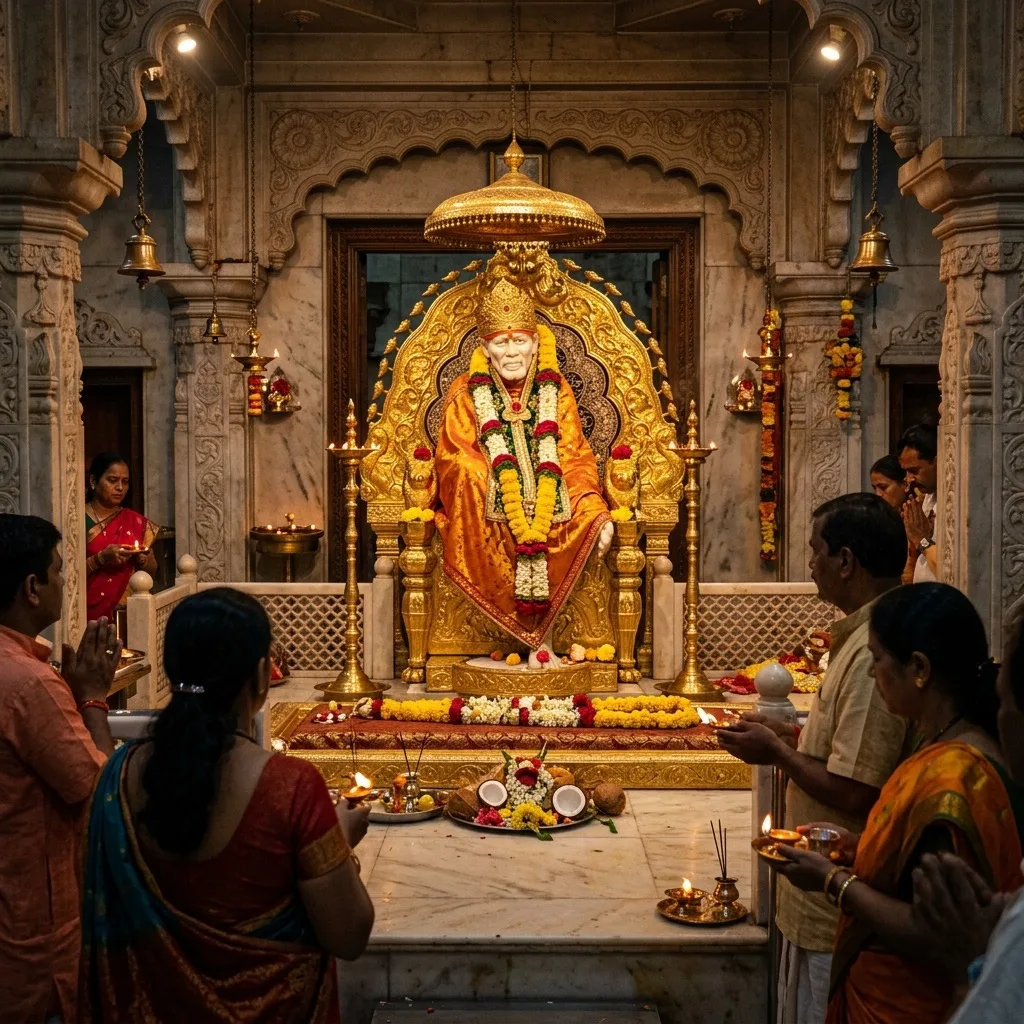
Shirdi Sai Baba Temple is one of India’s most important pilgrimage destinations because it combines devotion, discipline, and service in a way that many families can practice together. Visitors come not only for darshan, but also for the atmosphere of humility, patience, and remembrance of Sai Baba’s teachings.
Sai devotion context
Sai devotion is centered on simple faith rather than outward display. For many pilgrims, Shirdi is a place to slow down, reflect on daily conduct, and reconnect prayer with service. That is why a Shirdi visit often feels less like a single ritual and more like a complete devotional reset.
The temple experience is especially meaningful for people who want a faith practice that is calm, inclusive, and grounded in daily life. A good visit starts with a respectful mindset, not with a checklist alone.
First-visit planning
If this is your first Shirdi trip, plan the visit like a pilgrimage rather than a casual sightseeing stop. Arrive with enough margin for queue time, local movement, and possible schedule changes. The most useful first decision is whether you want a same-day visit or an overnight stay that lets you attend an early aarti.
A simple plan works best:
- Confirm travel and hotel before peak arrival days.
- Check the temple’s current darshan and aarti timings close to your travel date.
- Keep comfortable footwear, water, identity documents, and a light bag.
- Leave extra time for security, queue movement, and walking inside the temple area.
Families with elders or children should plan slower pacing and avoid overpacking the day. Shirdi is most comfortable when the schedule leaves room for pauses.
Darshan flow
The darshan experience usually follows a managed flow: arrival near the temple complex, queue guidance, security checks where required, movement through the darshan line, and a final exit path that keeps the crowd moving safely. On normal days, the process feels orderly. On festival days, it can become slower, so patience matters more than speed.
First-time visitors should not try to rush the line or break formation. The most peaceful darshan is usually the one entered with steadiness. If you are traveling with family, keep everyone together and agree on a meeting point in case the group separates briefly.
Aarti timing awareness
Shirdi is especially meaningful for devotees who want to align their visit with aarti. Morning, afternoon, evening, and night aartis each create a different devotional atmosphere, but the exact schedule may change based on temple operations, special events, or festival traffic.
For that reason, it is better to check the timing close to your visit rather than relying on old schedules from memory. Arrive early if you want to participate, because aarti entry and standing space often fill quickly. If you miss one aarti, a calm darshan and silent prayer are still fully meaningful.
The key idea is awareness: do not build the whole trip around a fixed timing assumption. Build it around a flexible plan that can absorb small delays without stress.
Etiquette inside the temple
Temple etiquette at Shirdi is simple but important. Dress modestly, keep your voice low, and follow queue instructions carefully. Avoid pushing, cutting lines, or using the phone in ways that disturb other devotees. Respect any restrictions on photography or movement, and keep offerings minimal and easy to carry.
Children should be prepared in advance so they understand that Shirdi is a place for calm behavior. If you are staying for more than one darshan, move slowly and avoid creating pressure for the rest of the group. Devotion becomes more authentic when it is gentle.
Crowds and festival periods
Shirdi gets especially crowded during weekends, holidays, Guru Purnima, Dussehra, and other Sai-related observance periods. During these times, queues can lengthen and basic travel tasks can take more time than expected. Accommodation may also become tight near peak dates.
If your goal is a quieter pilgrimage, choose a weekday or a non-festival window. If your goal is a major festival experience, prepare for longer waiting, earlier arrival, and more limited flexibility. Neither choice is wrong; the right choice depends on whether you want calmness or festival energy.
What makes a Shirdi visit successful
A good Shirdi visit is not measured only by how quickly darshan happened. It is measured by how peacefully you moved, how well you respected the flow, and whether the visit left you more centered than before. Many devotees return with a stronger habit of prayer, service, and patience because the temple environment encourages exactly that.
If you want to continue the devotion after returning home, keep one small practice alive: a short prayer, a daily Sai chant, or a service-minded act. That helps the visit become part of life rather than a one-time memory.
FAQ
Is Shirdi Sai Baba Temple suitable for a first pilgrimage?
Yes. Shirdi is one of the most accessible major pilgrimage destinations for first-time devotees because the temple system is familiar, organized, and family-friendly.
Do I need a strict plan for Shirdi darshan?
You do not need a rigid plan, but you do need a flexible one. Timing, queues, and aarti entry can change, so the best approach is to travel with margin rather than exact assumptions.
Can I attend aarti without staying long in Shirdi?
Yes, but you should arrive early and check the current schedule before you go. Short visits work best when the aarti timing is confirmed close to the travel date.
What should I carry for a comfortable visit?
Carry only the essentials: identity proof if needed, water, modest clothing, basic medicine, and a light bag. A simpler bag usually makes the darshan flow easier.
When is Shirdi most crowded?
Weekends, school holidays, and major Sai observance periods are usually the busiest. Festival stretches can be especially crowded, so early planning helps.
How can I keep the devotional feeling after returning home?
Continue with a short daily Sai prayer, a small act of service, or a quiet reflection practice. The visit becomes more meaningful when it influences ordinary days too.