 Devpur
 Why Tirupati Balaji matters
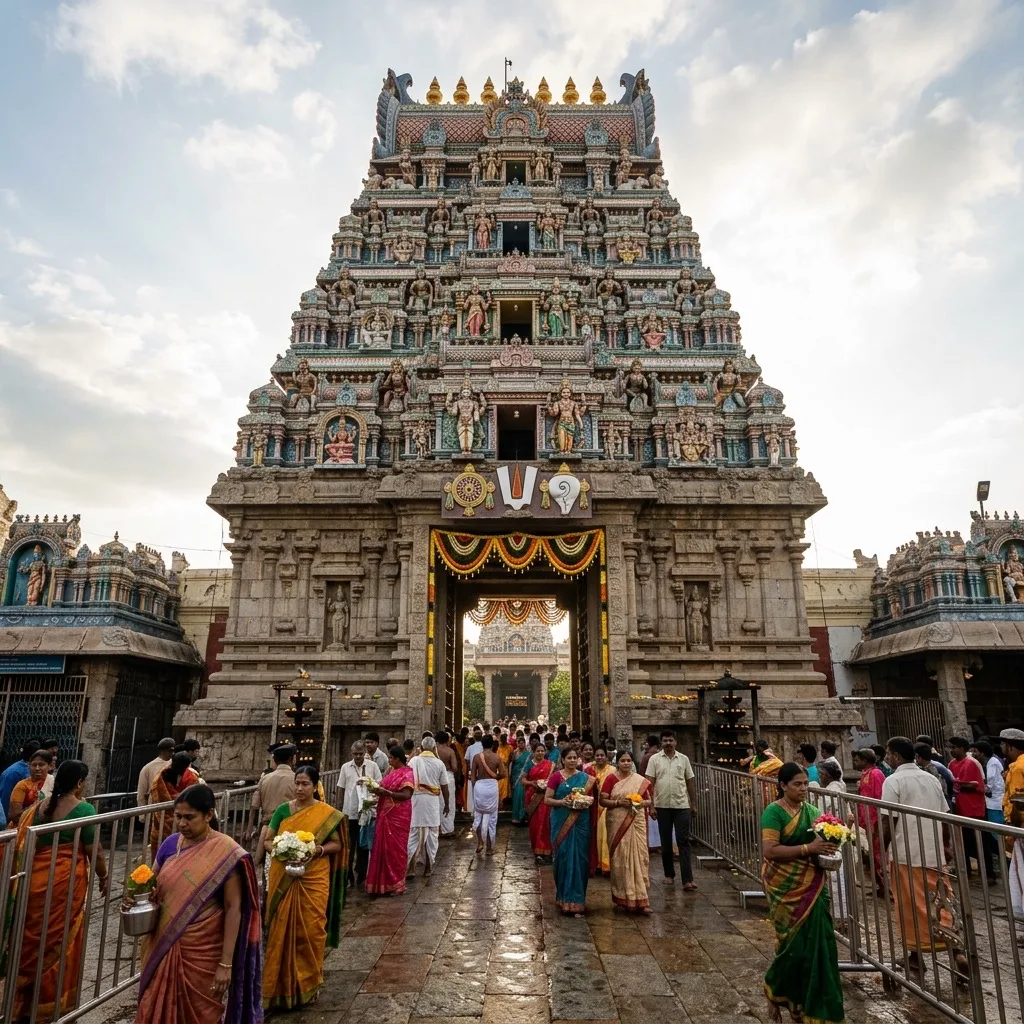
Tirupati Balaji is not only a famous temple. It is a complete pilgrimage experience where devotion is shaped by planning, discipline, and patience. For many visitors, the temple represents a place where personal prayer, family vows, and gratitude for life come together in one journey.
People come for different reasons: to seek blessings before a new phase of life, to fulfill a vow, to offer thanks after a difficult period, or simply to stand in darshan with a quiet mind. What makes the visit meaningful is not just the destination, but the way the journey is approached.
Darshan types and practical planning
One of the most important parts of a Tirupati visit is understanding darshan options before you travel. Crowd levels, ticket systems, and queue regulations can change, so planning matters more than assuming a walk-in visit will be simple.
Pilgrims commonly look for free darshan, special entry darshan, or time-slot based access depending on what is available at the time of visit. The best choice depends on family needs, arrival time, physical comfort, and how much waiting the group can manage. A first-time visitor should always check the current official process before leaving.
The practical rule is simple: do not arrive with only enthusiasm. Arrive with a plan.
Crowd planning and queue sense
Tirupati can be very crowded, especially during weekends, festival periods, school holidays, and major religious seasons. Good crowd planning means deciding not only when to go, but also how long the full visit may take.
If you are traveling with elders, children, or people who tire easily, choose a route and queue option that matches the group rather than trying to maximize speed. Carry enough water, keep documents ready, and expect your schedule to move more slowly than a normal city trip.
The most useful mindset is patience. In pilgrimage settings, patience is not delay. It is part of the devotion itself.
First-time visit preparation
First-time visitors should prepare in three layers: travel, temple protocol, and mental readiness. On the travel side, book accommodation early and keep some flexibility in case the crowd changes. For temple protocol, wear modest and comfortable clothing, carry only what is needed, and understand what items are allowed.
Mentally, it helps to know that the visit may be long and physically tiring, but that does not reduce its spiritual value. A calm first visit often becomes a better memory than a rushed one.
If possible, keep one person in the group responsible for tickets, one for documents, and one for the pace of the elderly or children. That reduces stress and helps everyone stay together.
Laddoo and prasadam context
The Tirupati laddoo is one of the most recognized prasadam traditions in India. Visitors often associate it with the temple experience because it represents blessing, memory, and shared devotion. It is important to treat prasadam with respect and not as a casual souvenir.
The laddoo also reminds visitors that pilgrimage is not only about darshan inside the sanctum. The temple experience continues through what is received, remembered, and shared afterward at home.
Seva and temple service
Many devotees also connect Tirupati with seva, offering, and service-oriented devotion. Seva can mean a formal temple service, a donation path, or simply a personal vow of offering time, attention, and gratitude. The important point is that devotion in this tradition is active, not passive.
For a family, this might mean preparing carefully, keeping the visit orderly, and returning home with a stronger habit of worship. For an individual, it may mean adopting a more disciplined daily prayer routine after the journey.
Etiquette inside the temple
Temple etiquette matters because the site receives huge numbers of pilgrims. Speak softly, move with the queue, respect instructions, and avoid behavior that disrupts the experience of others. Keep the focus on darshan rather than on photography, noise, or social media performance.
A helpful pilgrim is one who makes the line easier for the next person. That includes giving space, being ready when needed, and keeping the group calm.
Spiritual significance
The deeper meaning of Tirupati Balaji lies in surrender. The temple is often visited in moments when people want to place worries, gratitude, and future hopes before the divine. That emotional honesty is part of why the place feels powerful to so many pilgrims.
The visit can also reset habits. A person may return with more discipline, more gratitude, or a more serious prayer practice at home. When that happens, the pilgrimage does not end at the temple gate.
After the visit
The best way to preserve the pilgrimage feeling is to continue it at home. A short daily prayer, a mantra, a few minutes of silence, or regular reading about devotion can help the visit remain alive in memory.
For families, it is useful to talk about the experience after returning: what felt difficult, what felt peaceful, and what should be done differently next time. That reflection turns the journey into a lasting practice.
Common mistakes to avoid
- Going without checking the current darshan system.
- Underestimating crowd time or travel fatigue.
- Treating prasadam and temple etiquette casually.
- Packing too much or carrying unnecessary items.
- Expecting a fast sightseeing trip instead of a pilgrimage.
Why this guide is useful
This page is meant to help a real pilgrim prepare well. It covers the parts people often need but do not always find in one place: darshan types, queue planning, laddoo context, seva, etiquette, first-time preparation, and the devotional meaning of the visit.
Final takeaway
Tirupati Balaji is a pilgrimage that rewards preparation and patience. When you arrive with the right darshan plan, respect the crowd, honor the temple rules, and keep the experience spiritually grounded, the visit becomes more than a temple stop. It becomes a lasting devotional memory.