 Devpur
 Why the temple matters
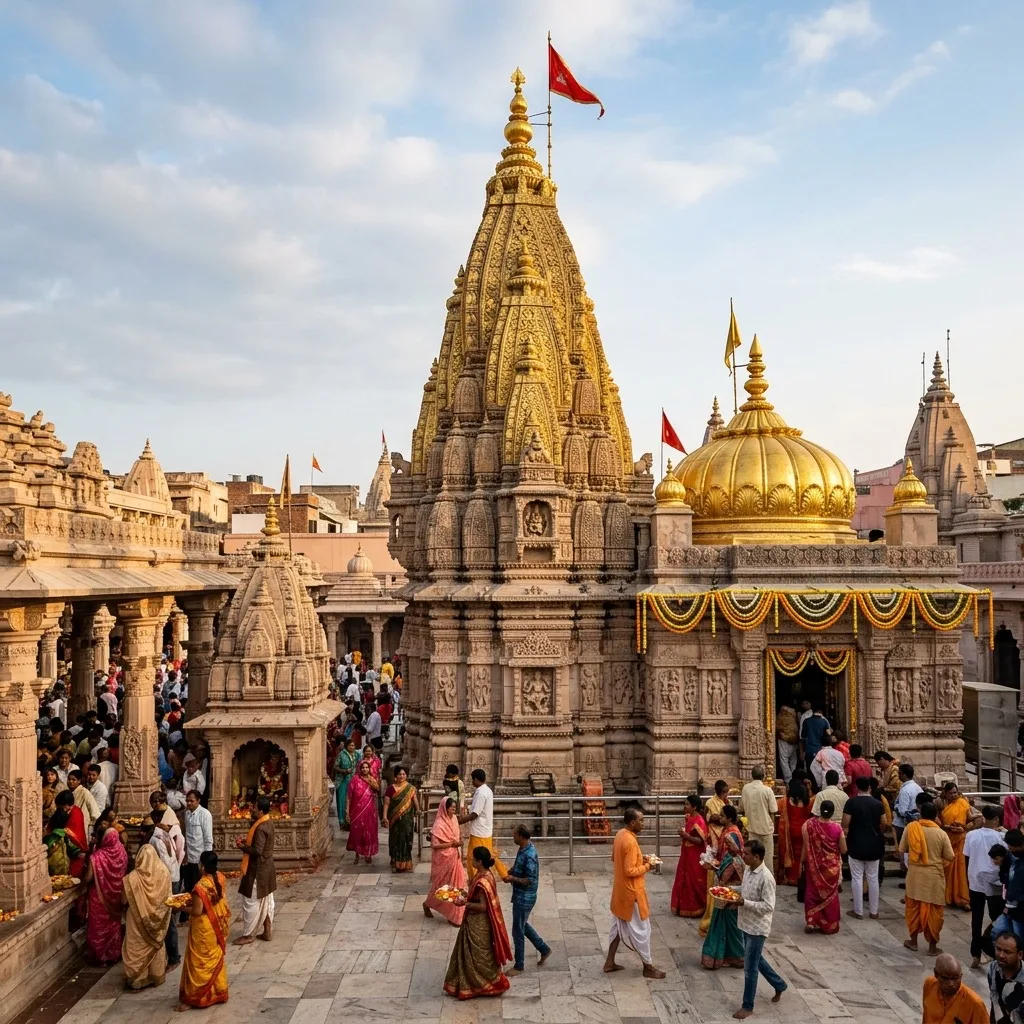
Kashi Vishwanath is not just a famous temple; it is one of the most important Shiva pilgrimage destinations in India. For many devotees, a visit here is not about checking a landmark off a list. It is about standing in a place where the rhythm of the city, the sound of bells, and the memory of Shiva feel closely linked.
The temple is especially meaningful because it sits in Varanasi, a city associated with devotion, release from fear, and the spiritual discipline of remembering Shiva in daily life. A good visit is not hurried. It is planned with patience and a respectful mind.
How to plan darshan
If you are visiting for the first time, plan around your energy rather than trying to do too much in one day. Arrive early if possible, keep your essentials light, and allow extra time for queue movement, security checks, and walking through the surrounding lanes.
Pilgrims usually find it helpful to carry only what they need: identity details if required, water, a small amount of cash, and a simple mindset. Heavy luggage and a rushed schedule can make the visit feel stressful instead of devotional.
If your goal is a calm darshan, weekdays and early morning hours are often easier than peak festival periods. Always check current temple instructions before you go, because crowd handling and access rules can change.
What pilgrims usually do at the temple
Most visitors come for darshan of Lord Shiva, and many also offer water, bilva leaves, or a short prayer. Some pilgrims chant the Mahamrityunjaya Mantra or recite a few lines of Shiv Chalisa before entering. Others simply bow quietly and let the visit remain short and focused.
The most helpful approach is simple: decide your intention before you enter. A clear prayer, even a short one, makes the visit feel more complete than a long, distracted one.
Ritual flow and temple atmosphere
At Kashi Vishwanath, the atmosphere is shaped by movement, devotion, and restraint. You may hear bells, see pilgrims waiting patiently, and notice how brief many darshan moments are. That is normal. A sacred place with large visitor numbers often works by discipline rather than by comfort.
Because of that, the best ritual attitude is calm cooperation. Follow the line, keep your hands free for prayer, and listen to local instructions. If you are offering something, keep it simple and respectful.
Best times and festival seasons
For a quieter visit, early morning is often preferred. Mondays are especially significant for Shiva devotees, but they can also be busier. Shravan brings a strong devotional mood, while Mahashivratri is one of the most important times of the year and usually brings very large crowds.
If you want a more intense devotional atmosphere, festival days can be deeply moving. If you want a more relaxed darshan, choose a normal weekday and start early. Both choices are valid; the right one depends on your purpose.
What to expect as a pilgrim
A Kashi visit can be beautiful and demanding at the same time. Narrow lanes, long queues, weather changes, and crowd density are all part of the experience. It helps to arrive with patience rather than expectations of ease.
Temple visits also often involve waiting, short darshan windows, and moments when you need to step aside and let the flow move naturally. That is part of pilgrimage in Kashi. The visit teaches humility as much as it offers prayer.
Etiquette that matters
Dress modestly, keep your voice low, and avoid pushing or cutting the line. Do not treat the temple like a sightseeing stop. It is a living place of worship.
If photography is restricted, respect it. If an offering is not allowed, do not insist. The temple experience becomes richer when the devotee is willing to cooperate with the sacred rhythm of the place.
Nearby devotional flow in Kashi
Many pilgrims make Kashi Vishwanath part of a larger devotional circuit. A common flow is to visit the temple, spend quiet time near the ghats, and later attend Ganga aarti. Some devotees also include Annapurna Temple, Kal Bhairav, or a peaceful walk through the older spiritual lanes of Varanasi.
That nearby flow matters because Kashi is experienced best as a whole sacred landscape, not as a single building. The temple is central, but the city around it adds depth to the pilgrimage.
Simple devotional routine for the day
A balanced temple day can look like this:
- Begin with a short Shiva prayer or mantra at your stay.
- Visit Kashi Vishwanath with a clear intention.
- Spend time in silence after darshan.
- Visit one nearby sacred place instead of trying to overpack the day.
- End with evening aarti or a quiet reflection by the river.
This keeps the experience devotional rather than exhausting.
Why this guide is useful
Many temple pages only give a location and a few generic lines. That is not enough for a real pilgrim. A useful guide should help with timing, conduct, emotional preparation, and the larger devotional flow of the day.
This page tries to do that by focusing on what actually helps: when to go, how to behave, what ritual moments matter, and how to let the visit shape your understanding of Shiva rather than just your travel log.
Final takeaway
Kashi Vishwanath is one of the most meaningful Shiva pilgrimage destinations in the world. The most rewarding visits are usually the ones that are prepared with humility, patience, and a simple heart. If you plan well and keep your focus on devotion, the temple becomes more than a stop on a map. It becomes a living part of your Shiva practice.