 Devpur
 What Kedarnath means for Shiva devotees
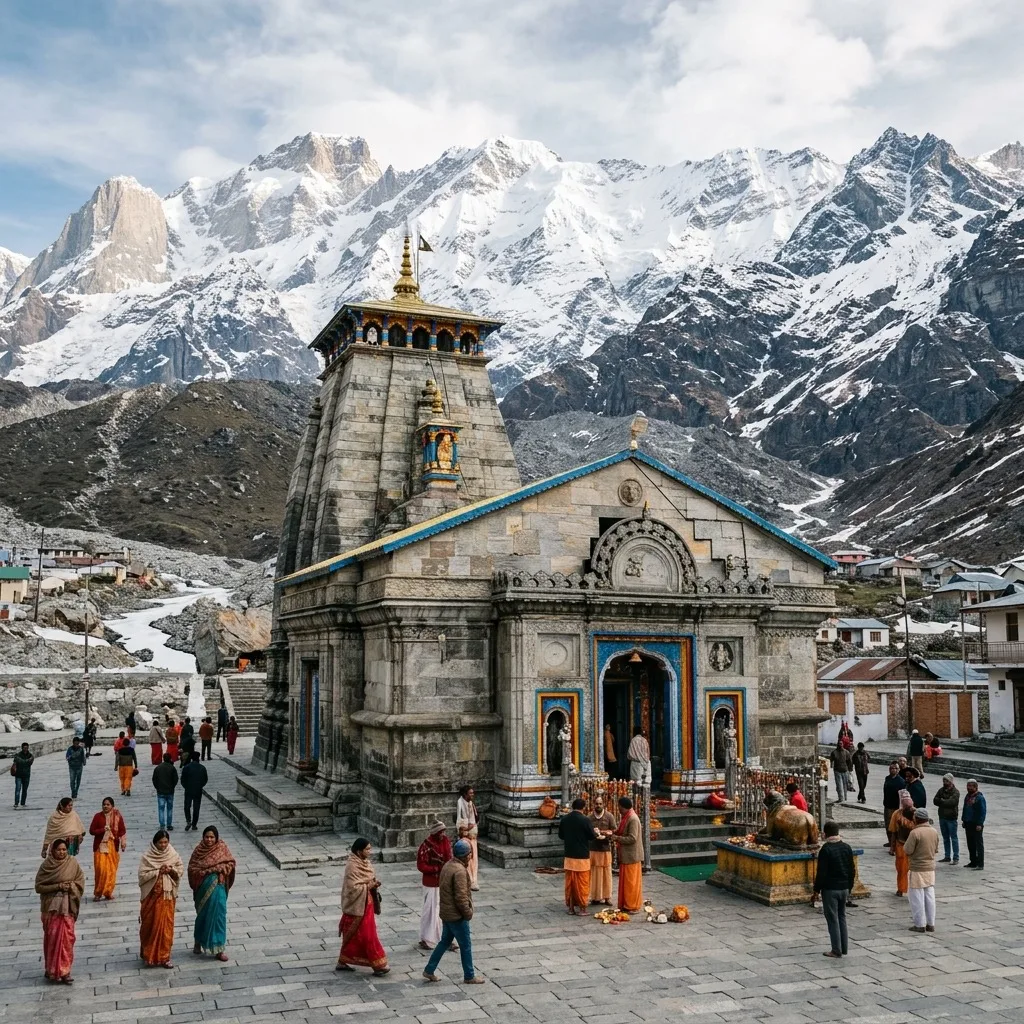
Kedarnath is not just a destination. It is a Himalayan Shiva pilgrimage where the journey itself becomes part of the worship. Devotees come here for darshan, but they also come for the discipline the route demands. The mountain setting, thin air, and changing weather remind yatris that this is a shrine of humility as much as faith.
For many pilgrims, Kedarnath represents a direct and simple form of Shiva worship. You do not need elaborate rituals to understand the place. You need patience, sincerity, and a willingness to adjust your comfort to the demands of the yatra.
Route context
The last practical approach for most visitors is through the standard mountain pilgrimage route that ends at the temple after the trek from the lower access point. Before starting, it helps to understand the route as a sequence rather than a single walk: travel to the base area, rest if needed, begin the ascent at a pace your body can maintain, and keep enough time in hand for weather or crowd delays.
Because the route is in a high-altitude Himalayan zone, the path can feel harder than the distance suggests. Even experienced travelers should avoid rushing. If you are traveling with elders, children, or anyone with health concerns, plan the yatra conservatively and allow more time than you think you need.
Yatra season and weather caution
Kedarnath is a seasonal pilgrimage. The temple is typically accessible only during the open months because snow and severe weather make the region difficult and unsafe for regular travel. Before leaving, always verify current official opening, closing, and route status.
Weather can change quickly in the mountains. A clear morning can turn cold, wet, or windy by afternoon. Carry warm layers, rain protection, gloves, and a cap even if the base town feels pleasant. If you see signs of fatigue, headache, breathlessness, or dizziness, slow down and take it seriously. Altitude is part of the pilgrimage, and ignoring it can make the journey much harder than necessary.
Darshan rhythm
At Kedarnath, the rhythm of darshan is usually simple: arrive, wait patiently, move with the queue, have a brief but focused view of the shrine, and leave with a clear mind. This is not the place for hurry or performance. The best darshan often comes from a quiet, respectful presence rather than trying to do too much.
If possible, keep your temple visit uncluttered. A short prayer, a calm pause, and a respectful exit are enough. Many pilgrims find that a short, sincere darshan stays with them longer than a crowded and rushed one.
Shiva significance
Kedarnath is closely associated with Lord Shiva as the power of endurance, surrender, and stillness. That symbolism fits the pilgrimage itself. The mountain path asks for effort; the shrine asks for humility. This is why many devotees link Kedarnath with a simpler Shiva practice back home, such as Om Namah Shivaya, Rudra prayer, or a short evening Aarti.
If you are visiting as part of a larger Shiva circuit, keep the meaning clear: the yatra is not only about reaching a famous temple. It is about entering a mood of reverence that can continue after you return home.
Packing and preparation
Pack for comfort, not style. Warm clothing, layered sweaters, a rain shell, sturdy shoes, basic medication, water, dry snacks, personal ID, and any required health items should be near the top of your list. A small torch, power bank, and sealed bags for essentials also help in mountain conditions.
Before departure, check your fitness honestly. If you are not used to walking uphill, begin preparation in advance. Even light walking practice can make the actual route easier. Keep your travel schedule flexible enough to rest when needed.
Temple etiquette
Keep your behavior simple and respectful. Follow queue instructions, avoid littering, do not rush other pilgrims, and speak softly near the shrine. Dress modestly and carry only what you need into the temple area. If you are traveling with a group, agree in advance on a meeting point so no one gets separated during darshan.
The best etiquette at Kedarnath is quiet cooperation. The shrine is sacred, but the journey is shared, so your discipline helps everyone around you.
A practical pilgrimage routine
- Read the route and weather situation before departure.
- Pack warm, light, and necessary items only.
- Keep the ascent steady and avoid unnecessary pressure.
- Do a short Shiva prayer before darshan.
- Keep temple time calm, brief, and respectful.
- After the visit, rest, hydrate, and review what helped the journey stay smooth.
This kind of routine makes the yatra manageable without losing its spiritual depth.
Home practice before and after the yatra
Many devotees prepare for Kedarnath by keeping a simple Shiva routine at home. That can mean a mantra, a small lamp, a short puja, or reading a Shiva prayer for a few days before departure. After returning, the same routine helps the pilgrimage settle into daily life instead of becoming only a memory.
If you want the yatra to shape your devotion, keep one small practice going at home. The mountain visit then becomes the center of a longer spiritual habit.
FAQs
Is Kedarnath difficult to visit?
It can be physically demanding because of altitude, weather, and the mountain route, so good preparation matters.
What is the best mindset for Kedarnath darshan?
Patience, humility, and steady devotion are more helpful than hurry or expectation.
Should I check weather before going?
Yes. Weather and route conditions can change quickly, so checking current official guidance is essential.
Can older devotees go for Kedarnath Yatra?
Many older devotees do travel, but they should plan carefully, consider their health, and travel only if they are fit for the route.
What should I carry for the pilgrimage?
Carry warm clothes, rain protection, sturdy footwear, water, light snacks, medication, and ID documents.
How can I connect Kedarnath with Shiva worship at home?
You can keep a simple Shiva mantra, evening Aarti, or short puja as a daily continuation of the yatra.
Why do people feel Kedarnath is special?
Because the temple combines deep Shiva significance with a demanding Himalayan journey that naturally encourages surrender and focus.